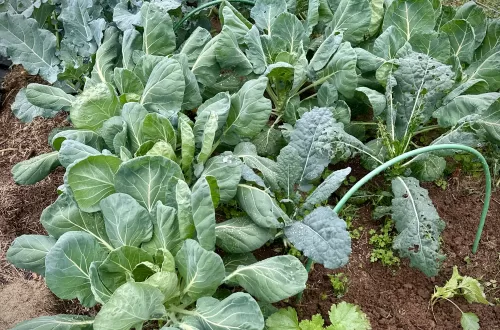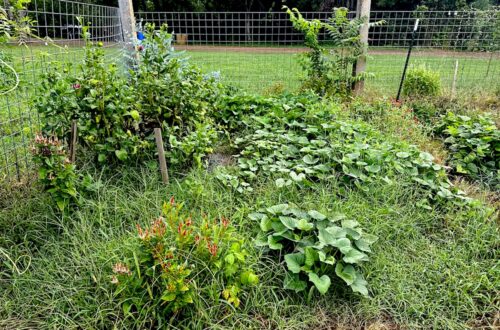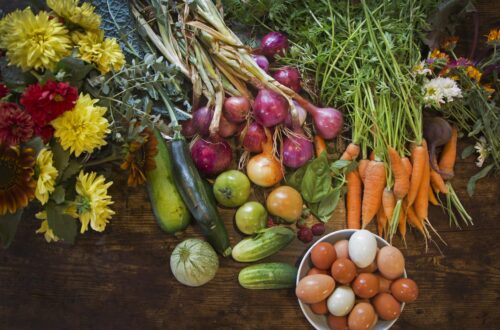
Have you heard of overwintering vegetables? Overwintering works by getting cold-hardy plants started in the cooler temperatures of the fall, covering them over the winter, and then getting an early harvest in the spring. For those of us who live in climates that don’t offer enough cool spring days to allow cold-weather plants a chance to thrive, overwintering is a great way to give your plants a jump start in the spring. For those who have a shorter growing season, it’s a great way to extend the length of your season.
How to Overwinter Plants
How does overwintering plants work?
- At the end of summer (or beginning of the fall for southern growers), when temperatures start to drop and you get a desire to spend a little more time outdoors, but you don’t have enough time to reap a harvest, go ahead and plant those cold-weather-loving seeds. You don’t need enough time to get a good harvest, just enough time to get your plant settled.
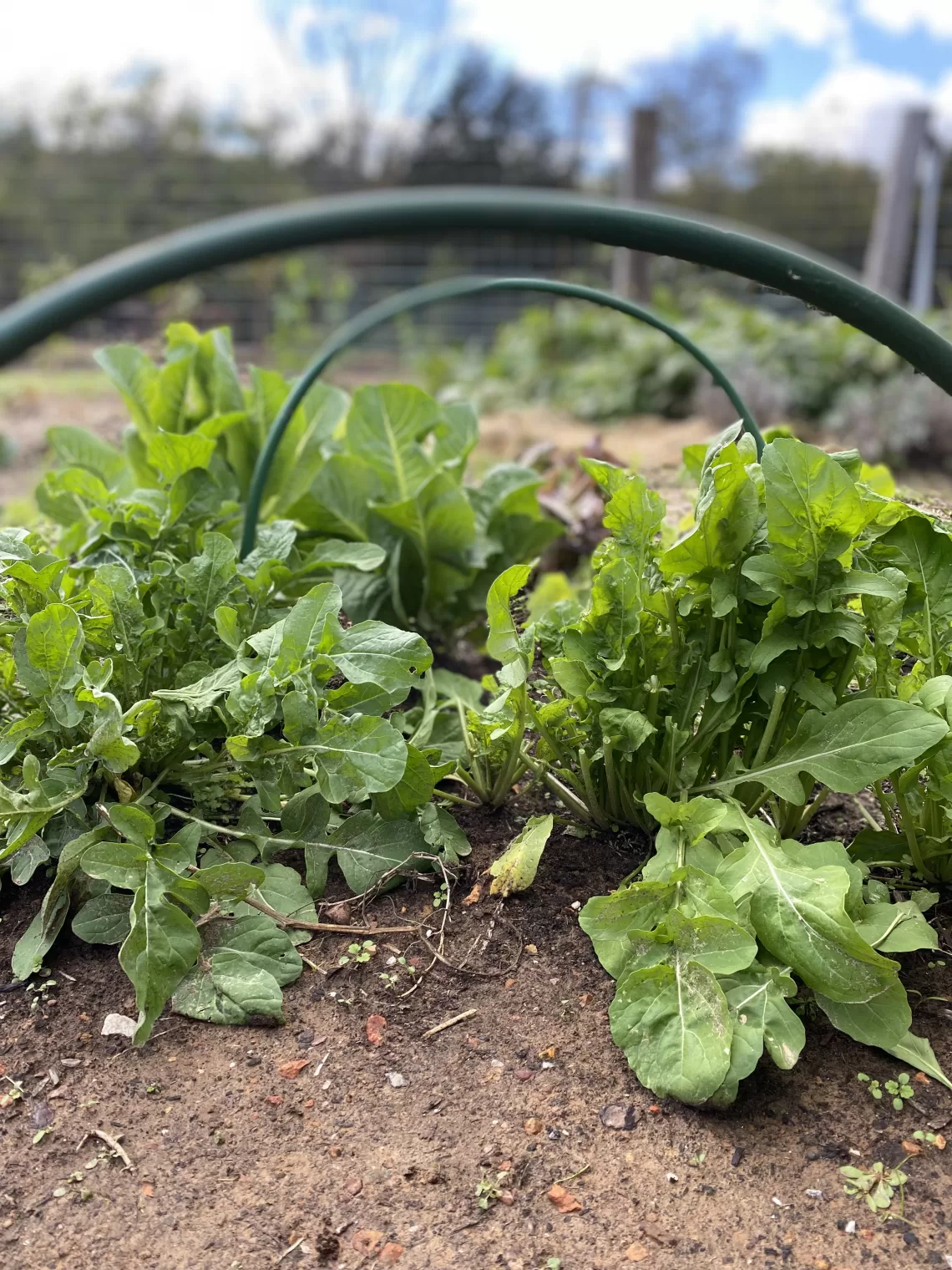
- If you live in a location where temperatures drop below 32°F or 0 °C, cover the plants with a low tunnel or blankets. The colder the temperatures drop in your region, the more attention you will need to give these plants over the winter. You can read some tips about extending your season with covers here. I talk about it a little in this video from Wild & Whole. I usually just mulch really well and then cover with a thick frost cover like the one featured here
- Since plants need both light and warmth to grow, they will essentially go dormant as the hours of daylight diminish. Then at the beginning of spring (usually around Daylight Saving Time), they will wake up and start growing again. They will be able to skip ahead a few weeks or more (depending on how far along they were when they went dormant).
What plants work well to Overwinter?
I’ve had the most luck overwintering plants that generally do well in the spring or fall and root vegetables that grow underground. Plants that grow best in spring and fall are those that still thrive with cooler temperatures. Here’s a list of plants that I’ve been successful overwintering:
- Carrots
- Broccoli
- Cabbage
- Cauliflower
- Lettuce or Mustard Greens
- Brussels sprouts
- Collards
- Bells of Ireland flowers
Many bulbs are supposed to be planted in the fall so they can benefit from winter’s cooler temperatures. They won’t grow optimally without exposure to colder temperatures. Examples of these include onions, garlic, tulips, daffodils, and peonies. However, I’ve also found that heat-loving bulbs, such as dahlias, will survive and grow back (like a perennial) if they are covered in a very deep layer of mulch made from compost and straw. This approach has been successful in our warmer climate, but I’ve also heard of people using it in Zone 5.